Semi Truck Types Explained: A Complete Guide to Common Configurations
Understanding semi truck types is essential for new CDL students, future drivers, fleet operators, and anyone entering trucking because the term semi truck describes a broad family of tractor and trailer combinations rather than one single vehicle. The right setup affects comfort, maneuverability, cargo capability, route planning, and even the kinds of jobs a driver can realistically take, so this guide explains what a semi truck is, the most common tractor and trailer types, how these combinations work in real operations, and how beginners should think about them when preparing for a CDL career.
.jpg)
Understanding the two main parts of a semi truck
The tractor
The tractor is the powered unit of the semi truck. It is the front portion that contains the engine, steering system, drivetrain, cab, and all the controls needed to operate the combination vehicle. When people picture a “big rig,” they often focus first on the tractor because it is the visible command center of the truck.
A typical tractor includes:
- the engine
- the driver area
- the passenger seat
- the cab design features
- the drivetrain and suspension systems
- mirrors, controls, gauges, and safety systems
- the fifth-wheel assembly used to connect the trailer
The tractor’s design has a major effect on how the truck performs in real-world conditions. It influences how easy the vehicle is to turn, how comfortable the driver is during long shifts, how much visibility the driver has, and how suitable the truck is for local work versus long-haul operations.
For example, a shorter day cab can be easier to handle in tighter spaces and urban routes. A sleeper tractor usually offers more room and better support for multi-day trips. A specialized custom hauler may be designed for heavy towing strength or unusual cargo demands. The tractor, in short, is not just the “front part” of the truck. It is the operational heart of the whole setup.
The trailer
The trailer is the cargo-carrying unit attached to the tractor. Its job is to haul freight safely and efficiently. Unlike the tractor, the trailer does not provide motive power. Instead, it is designed around the nature of the cargo it must carry.
That is why trailers vary so widely across the trucking industry. One trailer may be enclosed and weather-protected, another may be open for oversized loads, and another may be temperature-controlled for perishable freight. The right trailer matters just as much as the right tractor because it determines what kind of freight can be moved legally, safely, and efficiently.
Trailers can be selected based on:
- freight type
- load dimensions
- cargo weight
- loading method
- unloading requirements
- weather protection needs
- route restrictions
One of the most useful aspects of the semi truck system is that many tractors can pull different trailer types. This flexibility allows fleets to adapt equipment to changing business needs. It also gives drivers exposure to different types of freight work over time, especially if they move from general freight into specialized operations.
Why configuration matters
Not every tractor-trailer setup is right for every job. That is one of the most important ideas for beginners to understand. A truck that performs well in long-haul dry van work may not be the ideal choice for local port drayage. A trailer built for liquid transport will not serve the same purpose as a flatbed carrying steel beams or a lowboy hauling construction equipment.
The best configuration depends on several practical factors:
- freight type
- distance
- route conditions
- loading method
- weight and size of cargo
Each of these factors affects equipment choice in a real and measurable way. Freight type determines whether the cargo needs enclosure, refrigeration, open-deck loading, liquid containment, or low-clearance transport. Distance affects whether a driver needs sleeper accommodations or can work effectively with a day cab. Route conditions influence turning requirements, maneuverability, and fuel efficiency. Loading method matters because some freight must be loaded from docks, some from the side, some from above, and some via ramps. Cargo size and weight determine whether standard equipment is sufficient or whether specialized trailers and stronger tractors are needed.
This is why trucking professionals do not usually talk about trucks in isolation. They think in terms of complete operating combinations.
The most common semi truck cab types
Day cab trucks
A day cab is a tractor without built-in sleeping quarters. It is designed for routes where the driver is expected to complete the trip and return without needing to sleep in the truck overnight. Because it lacks a sleeper compartment, the cab is shorter and more compact than a long-haul sleeper tractor.
That shorter design creates several practical benefits. A day cab is often easier to maneuver, easier to reverse, and better suited to tighter spaces such as city streets, distribution yards, terminals, ports, and industrial zones. For many operations, that compactness is more valuable than added living space.
Key characteristics of day cab trucks include:
- shorter cab length
- no built-in sleeper area
- generally lighter and more compact design
- better maneuverability in confined spaces
- strong fit for urban and regional work
- compatibility with many trailer types
These trucks are especially useful when overnight rest in the vehicle is unnecessary. In those settings, carrying extra sleeper space would add length and weight without adding operational value. That is why day cabs are widely used in local and regional freight systems.
Common use cases for day cabs include:
- local freight routes
- port drayage
- city deliveries
- regional hauls
- dedicated daytime routes
- terminal-to-terminal movements
- short industrial runs
For new drivers, day cabs can be attractive because many day cab jobs offer more predictable schedules and less time away from home. They also provide valuable experience in backing, maneuvering, and working in busy environments where awareness and control matter constantly.
Sleeper trucks
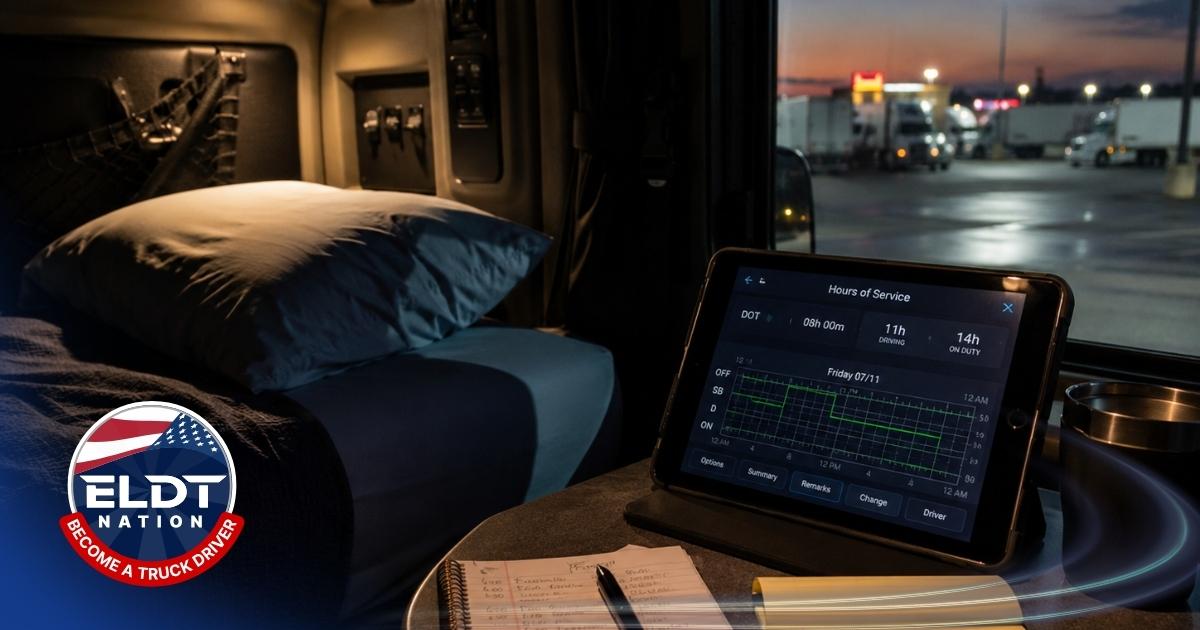
A sleeper truck is a tractor with built-in sleeping quarters located behind the driver and passenger seats. It is designed for long-haul and over-the-road operations where the driver may need to remain on the road for extended periods, including overnight trips lasting several days.
The sleeper section can range from very basic to surprisingly sophisticated. Some sleeper trucks offer a compact bunk and limited storage. Others are built with more extensive living space, better storage, improved headroom, and features intended to support life on the road over long periods. The exact level of comfort varies by truck model, fleet specification, and intended use.
What makes sleeper trucks important is not just comfort. They support the operating reality of long-distance freight. When a driver is covering major mileage across multiple states, a place to rest becomes a practical requirement rather than a luxury.
Key characteristics of sleeper trucks include:
- sleeping space behind the front seats
- better support for overnight and multi-day routes
- more room for storage and personal essentials
- improved long-haul practicality
- availability in different sizes and interior layouts
- compatibility with many trailer types
Sleeper trucks are commonly used in:
- cross-country freight
- over-the-road trucking
- extended regional runs
- coast-to-coast freight movement
- team driving operations
- long-distance specialized hauling
For many drivers, the sleeper configuration is closely tied to the classic image of trucking. It reflects a style of work where the road itself becomes part of daily life. That also means it demands a different mindset. Long-haul trucking involves extended time away from home, greater focus on trip planning, compliance with hours-of-service rules, and more attention to driver comfort, fatigue management, and personal organization.
Custom haulers
Custom haulers are specialized tractor builds designed around unique hauling needs rather than standard fleet configurations. While many semi trucks are built according to common freight patterns, custom haulers are tailored for businesses or operators who need something more specific, whether that means greater towing strength, a particular frame setup, heavy-duty components, specialized body design, or accommodations for unusual cargo demands.
These trucks are often chosen when standard equipment does not fully match the job. A business may need a tractor configured for oversized freight, higher towing demands, specialized commercial operations, or industry-specific requirements. In some cases, custom haulers may also include sleeper space, upgraded engines, reinforced systems, or specialized attachments that support niche operations.
Common characteristics of custom haulers include:
- tailored specifications for a specific business use
- stronger engines or towing capability in some builds
- design flexibility for specialized industries
- optional sleeper or driver-comfort features
- adaptation for unusual or oversized loads
- focus on performance for non-standard hauling tasks
Custom haulers are commonly used for:
- oversized cargo
- specialized commercial hauling
- heavy-duty transport operations
- businesses that need custom specifications rather than standard fleet models
- long-distance movement of non-standard freight
The main advantage of a custom hauler is precision. Instead of asking a standard tractor to handle a job it was not truly designed for, a custom build allows the truck to match the work more closely. That can improve capability, reliability, and operational confidence when the freight is especially demanding.
Other common semi truck configurations drivers should know
18-wheelers
The term 18-wheeler is one of the most recognized nicknames in trucking, but it is not a separate official class of truck. In everyday language, it usually refers to a standard tractor-trailer combination that has a total of 18 wheels when the tractor and trailer axles are counted together.
Because the term is so popular in public conversation, many people use it as a synonym for any semi truck. In practice, however, not every semi is described that way in precise industry usage. The term is better understood as a familiar nickname than as a strict technical category.
What matters for beginners is this:
- “18-wheeler” usually refers to a common tractor-trailer setup
- it is a popular public term, not a special licensing category by itself
- many people use it to describe semi trucks generally
This distinction is helpful when reading job descriptions, training materials, or fleet information. A company may advertise a position involving tractor-trailers or semi trucks without using the nickname at all.
Conventional-nose trucks
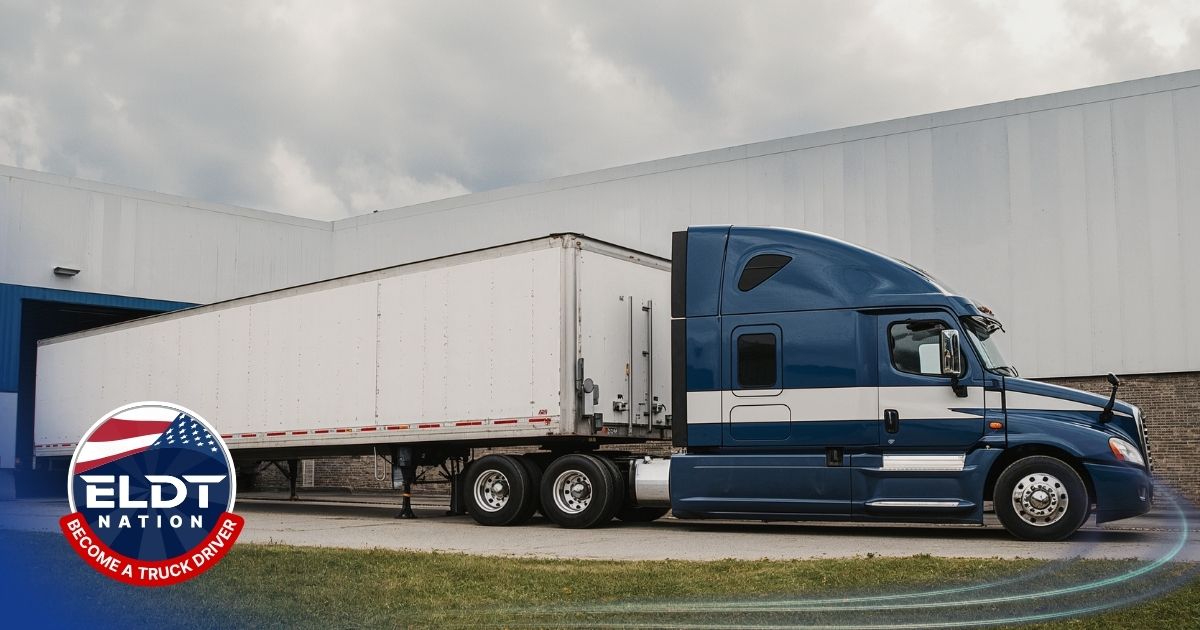
A conventional-nose truck has the traditional long-hood design that many people associate with highway trucking. In this setup, the engine sits ahead of the cab beneath an extended front hood. This layout gives the truck a familiar profile and often makes engine access easier for service and maintenance.
This design has remained popular for several reasons. It offers a classic highway appearance, supports serviceability, and is strongly associated with over-the-road trucking operations. Many long-haul fleets and owner-operators are especially familiar with this layout because it has been a long-standing standard in North American trucking.
Benefits often associated with conventional-nose designs include:
- easier engine accessibility
- familiar handling characteristics for many operators
- strong highway presence
- common use in long-haul trucking
These trucks are frequently seen on interstate routes, long-distance freight lanes, and traditional over-the-road operations. For beginners, the key point is that the front-end shape is not just about appearance. It can affect service access, aerodynamics, and the overall design identity of the truck.
.jpg)
Sloped-nose trucks
Sloped-nose trucks use a more aerodynamic front-end design than traditional conventional-nose models. The front profile is shaped to reduce air resistance as the truck moves at highway speed. This can contribute to better efficiency and reflect a more modern design approach.
Aerodynamics matter in long-distance trucking because freight vehicles spend many hours at sustained road speeds. Even modest improvements in airflow can matter over time in fuel-sensitive operations. That is one reason sloped-nose designs are common in fleets focused on efficiency and modern over-the-road performance.
Potential advantages of sloped-nose trucks include:
- improved aerodynamic performance
- possible fuel-efficiency benefits
- modern styling
- strong fit for highway-focused operations
The shape matters most in over-the-road work, where trucks spend long periods on major highways. For a local operation that makes frequent stops and drives lower average speeds, aerodynamic gains may matter less than maneuverability or equipment simplicity. For a long-haul fleet, however, design efficiency becomes more relevant over the life of the truck.
Raised-roof and flat-roof trucks
Raised-roof and flat-roof designs refer to cab height and interior headroom. This distinction is especially important in sleeper trucks, where interior space affects daily life much more directly than it does in short-haul day cab work.
A flat-roof truck has a lower cab profile. A raised-roof truck offers greater vertical space inside the cab, which can improve movement, storage options, and general comfort during extended trips. For a driver spending multiple days on the road, that additional headroom can make a meaningful difference.
Roof type can affect several practical factors:
- driver comfort
- interior storage
- long-haul practicality
- aerodynamics
A raised-roof sleeper is often more attractive for long-haul work because it provides more living usability. A flat-roof design may still work well in operations where compactness or a lower overall profile is preferred. For beginners comparing truck types, this is a useful reminder that comfort is not determined only by whether a truck has a sleeper, but also by how that sleeper is designed.
How to choose the right semi truck configuration
Start with the type of freight
Freight type should always be the first filter when choosing a semi truck configuration. Before thinking about aesthetics, cab style, or even brand, it is necessary to ask one core question: what exactly is being hauled?
The nature of the freight determines the trailer type first, and from there it influences the most suitable tractor setup. This is because the cargo defines the handling requirements, protection needs, loading style, and overall demands of the haul.
Some basic examples make this clear:
- perishable goods usually require a reefer setup
- oversized machinery may require a flatbed or lowboy
- general boxed freight usually works with a dry van
- liquids or gases require a tank trailer
- bulk loose materials may require a dump, grain hopper, or belt trailer
This is why freight type should guide decision-making from the start. Choosing the truck first and trying to force it into the wrong type of work is usually inefficient. The smarter approach is to begin with the cargo and build the equipment choice around it.
Consider route length
Once the freight type is clear, route length becomes one of the next major deciding factors. Not every job demands overnight capability. Not every operation benefits from a longer cab.
In general:
- short local routes often fit day cabs
- long-haul routes often require sleeper trucks
A day cab makes sense when the driver can complete the route without sleeping in the truck. It keeps the unit shorter, often easier to maneuver, and more practical for local freight environments. A sleeper truck becomes far more valuable when routes stretch across states and drivers need to rest safely and legally on the road.
Route length also affects:
- planning complexity
- fuel use patterns
- driver fatigue
- storage needs
- comfort expectations
- dispatch flexibility
A company running city deliveries does not have the same equipment priorities as one moving freight coast to coast. Matching the cab to route length is one of the clearest ways to improve operational fit.
Think about loading and unloading
Loading and unloading requirements are often overlooked by beginners, yet they are critical when choosing the right configuration. A trailer must not only move the freight but also make that freight practical to load and unload at the origin and destination.
Different jobs require different handling methods, such as:
- dock access
- crane loading
- side loading
- ramp loading
- hydraulic tail systems
- belt discharge
- dump-style unloading
For example, a dry van works well when freight is palletized and moved through standard dock systems. A flatbed makes more sense when cargo must be loaded from above or from the side by crane. A sliding axle or hydraulic tail trailer becomes relevant when equipment has to be driven or rolled on and off. A dump trailer is more suitable when loose material must be discharged quickly at a site.
This means the right configuration depends not just on what the cargo is, but on how it enters and exits the trailer.
Consider weather and cargo protection
Some freight can tolerate outdoor exposure. Some cannot. Weather and cargo protection therefore play a major role in trailer choice.
Enclosed trailers matter when the load needs protection from:
- rain
- snow
- road spray
- dirt and debris
- sunlight
- contamination risk
General retail freight, electronics, clothing, pharmaceuticals, and many packaged goods usually need a protected environment. That makes dry vans and reefers common choices. By contrast, construction materials, steel, and heavy equipment may travel on open trailers when exposure is acceptable or manageable.
Exposure risk directly affects operational decisions. The more vulnerable the freight is, the more important enclosure or environmental control becomes.
Think about driver comfort and retention
Driver comfort matters most clearly in over-the-road work, where the truck functions not just as transportation equipment but also as the driver’s work environment for extended periods. On long-haul runs, comfort affects fatigue, consistency, morale, and retention.
That is one reason sleeper configuration matters so much. The size and layout of the sleeper area can influence:
- quality of rest
- storage capacity
- ability to organize personal items
- comfort during multi-day trips
- long-term job satisfaction
For fleets, this is not just a quality-of-life issue. It can also affect retention. Drivers who spend long periods on the road are more likely to value equipment that supports daily life effectively. For beginners choosing a career path, it helps to understand that truck setup influences not only what kind of freight they haul, but also what kind of life they live while hauling it.
Start your CDL journey with ELDT Nation
ELDT Nation helps future drivers build the knowledge they need before behind-the-wheel training by offering FMCSA-approved online ELDT theory training that is valid in all 50 states. The courses are self-paced, mobile-friendly, and built to help students move through training on their own schedule with interactive videos and quizzes that support real understanding rather than passive reading.
Related posts